DOT Approved Helmets: What It Means and Spotting Fakes
Learn what the DOT helmet sticker really means, how to spot dangerous counterfeit safety labels, and local helmet laws for Philadelphia and South Jersey.
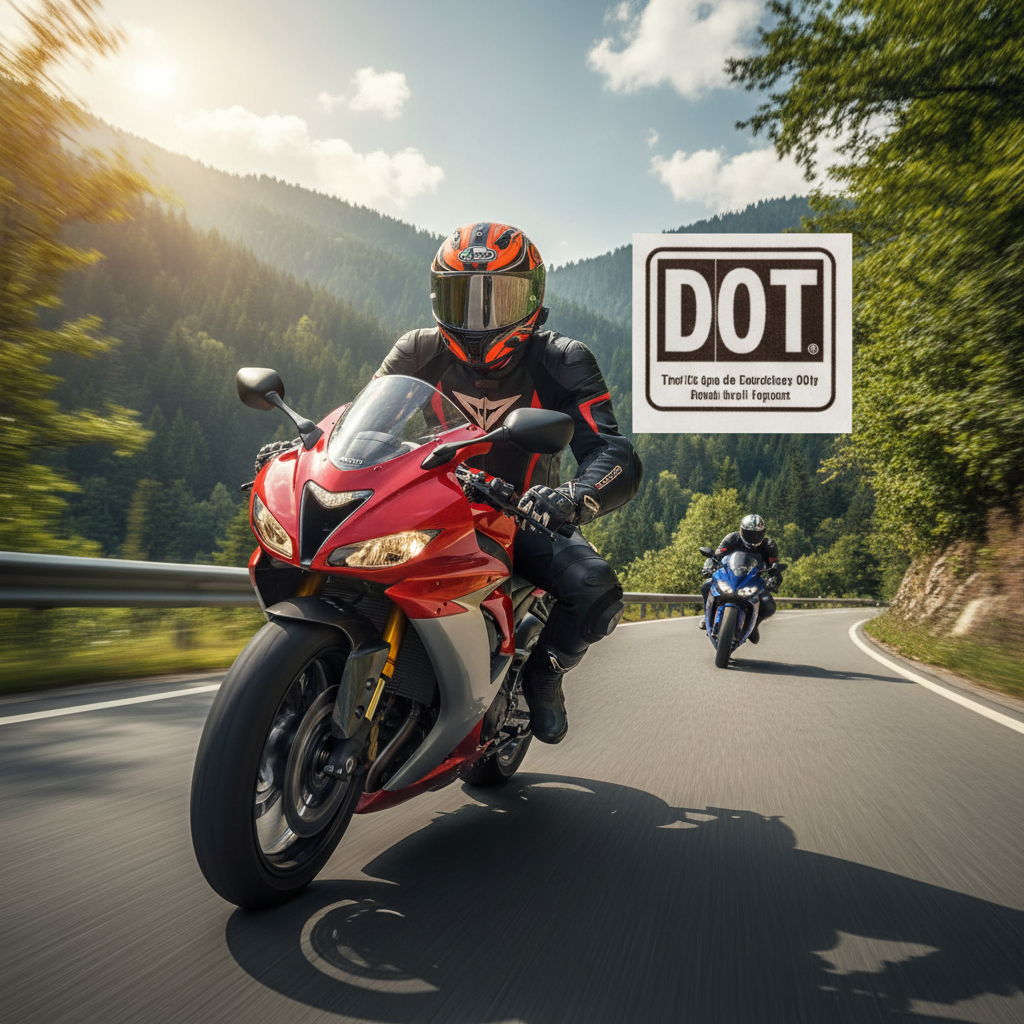
What Does That DOT Sticker Actually Mean?
Whether you are navigating the morning commute on a street-legal gas scooter down Broad Street, cruising past the Philadelphia Museum of Art, or loading up your dirt bike for a weekend run in South Jersey, protective gear is your first line of defense. Among all safety gear, your helmet is the single most critical investment you will make.
Most riders know they need a helmet with a DOT sticker. However, few understand what that certification actually represents—and even fewer realize just how common counterfeit safety labels have become on online marketplaces.
Understanding Federal Motor Vehicle Safety Standard 218
When you see "DOT" on the back of a helmet, it indicates that the manufacturer claims the helmet meets FMVSS 218 (Federal Motor Vehicle Safety Standard No. 218). This federal standard is established and enforced by the National Highway Traffic Safety Administration (NHTSA).
FMVSS 218 sets strict minimum performance requirements in three core areas:
- Impact Attenuation: The helmet's ability to absorb shock during a direct hit. Under testing, the helmet must decelerate the impact to prevent severe brain trauma.
- Penetration Resistance: The helmet shell must resist piercing from sharp objects, such as road debris, rocks on off-road trails, or metal edges.
- Retention System Strength: The chin strap and buckle must stay securely fastened under heavy force so the helmet never flies off your head during a collision.
- Peripheral Vision: Helmets must allow a minimum of 105 degrees of unobstructed horizontal vision on either side.
Unlike some European standards where governments test every model before it hits store shelves, the US DOT system relies on manufacturer self-certification. The NHTSA conducts random compliance testing after helmets enter the market. Unfortunately, disreputable online sellers take advantage of this honor system by slapping counterfeit DOT labels on novelty shells that offer virtually zero crash protection.
How to Spot a Fake DOT Helmet
A novelty beanie helmet made of flimsy plastic might look sleek, but in an accident on I-95 or a tumble off-road, it can shatter on impact. Here is how Philadelphia and Delaware Valley riders can identify genuine DOT certification from a dangerous fake.
1. Check the Exterior Label Format
Since 2013, federal regulations require a very specific layout for the external DOT symbol. A single, flimsy peel-and-stick decal that merely says "DOT" is a massive red flag.
A genuine certification label on the lower back of the helmet must feature, from top to bottom:
- The manufacturer's name or brand.
- The exact model designation.
- The bold letters DOT.
- The letters FMVSS No. 218.
- The word CERTIFIED.
This lettering must be centered, applied beneath a clear coat or printed securely so it cannot simply be scraped off with a fingernail.
2. Inspect the Permanent Inner Label
Every legal helmet certified under FMVSS 218 must have a permanent interior tag or sticker located underneath the comfort padding. This inner tag must list:
- Manufacturer name or private label brand.
- Month and year of manufacture.
- Model name and size.
- Shell construction material (e.g., fiberglass, polycarbonate).
- Cleaning and care instructions.
If the inside of the helmet has no tag, or if the tag only displays washing instructions with no manufacturer information, the helmet is not legally compliant.
3. Feel the Weight and Shell Thickness
Legitimate impact protection requires solid materials. Genuine FMVSS 218-compliant helmets generally weigh around three pounds or more, depending on the shell type (full-face, modular, or open-face).
Counterfeit and novelty helmets often weigh a pound or less. If a helmet feels like a lightweight bicycle cap or a toy construction hat, it will not protect your head at motorized speeds.
4. Examine the EPS Foam Liner
This is the most critical structural check. Take your fingers and press into the interior of the helmet beneath the fabric comfort liner.
- Real Helmets: Feature a firm, dense layer of Expanded Polystyrene (EPS) foam that is roughly one inch thick. This dense foam absorbs and disperses impact energy.
- Fake Helmets: Have little to no foam liner. Many fake or novelty helmets only contain thin foam rubber padding or soft fabric directly against a paper-thin plastic shell.
5. Check the Chin Strap and Hardware
A certified helmet utilizes heavy-duty webbing with reinforced rivets and reliable fasteners, such as sturdy metal double D-rings or quick-release buckles engineered to withstand high tensile stress. Cheap novelty items often use flimsy plastic clip systems similar to those found on school backpacks.
Helmet Laws in Pennsylvania and New Jersey
Riding across state lines in the Greater Philadelphia area means navigating different state statutes:
Pennsylvania Helmet Requirements
In Pennsylvania, all motorcycle and street-legal scooter operators under the age of 21 must wear an approved helmet. Riders 21 and older may ride without a helmet only if they have completed an approved safety course or have held a full motorcycle license for at least two calendar years. Passengers under 21 must always wear a helmet. Furthermore, on state-managed off-road trails and public riding parks, all ATV and dirt bike riders are required to wear approved safety gear, regardless of age.
New Jersey Helmet Requirements
If you cross the Benjamin Franklin Bridge or Walt Whitman Bridge into South Jersey, the law changes significantly. New Jersey enforces a strict universal helmet law. All operators and passengers on motorcycles, gas scooters, and off-road powersports vehicles must wear an approved, properly fastened helmet at all times, with no exceptions for age or riding experience.
Wearing a non-compliant novelty helmet is treated the same as wearing no helmet at all under traffic enforcement rules in both states.
Why You Should Buy Your Safety Gear in Person
The internet is flooded with unvetted helmets sold through third-party digital storefronts. Photos can easily be doctored, and product descriptions frequently claim "DOT compliance" when the product has never undergone testing.
Beyond verifying authenticity, buying a helmet requires proper fitting. A genuine DOT-approved helmet cannot do its job if it is the wrong size:
- A helmet that is too loose will shift during riding, block your vision, or come off entirely in a crash.
- A helmet that is too tight creates severe pressure points and headaches, making it uncomfortable to stay focused on the road.
When you try on helmets in person, you can perform the roll test, check cheek pad snugness, and ensure the brow line rests securely right above your eyebrows.
Visit ScooterLand USA in Philadelphia
At ScooterLand USA, we believe in keeping riders throughout Philadelphia, Montgomery County, Bucks County, and South Jersey equipped for every ride. Whether you ride a street-legal commuter scooter down Roosevelt Boulevard or pack up your off-road machine for the weekend, your safety comes first.
We sell all powersports vehicles and riding equipment in person right here at our shop located at 3818 K St, Philadelphia, PA 19124. Our knowledgeable team can walk you through proper fitment and answer your safety questions face-to-face.
Have questions before you stop by? Give us a call at 215-288-6118 or visit our showroom to check out our complete powersports lineup in person. Protect your head, ride smart, and stay safe on every journey.
Visit ScooterLand USA in Philadelphia or call 215-288-6118.